

Become a CASA Volunteer in San Diego County — Everything You Need to Know
Becoming a Court Appointed Special Advocate (CASA) volunteer in San Diego means showing up, consistently and purposefully, for a child in foster care who may have no other stable adult in their corner. You don’t need a legal background or a social work degree. You need the willingness to listen, advocate, and make time. This page walks you through exactly what the San Diego CASA program involves, what the journey looks like from application to advocacy, and the answers to questions most prospective volunteers ask before taking that first step.
Ready to make a difference? Start your application today.
What Is a CASA Volunteer?
CASA stands for Court Appointed Special Advocate. As a CASA volunteer, you are appointed by a juvenile court judge to advocate for the best interests of a child in the foster care system. You are not a social worker, a lawyer, or a foster parent, you are something different and often more lasting: a reliable, caring adult who gets to know a child deeply and speaks up for them in court.
Your role is to gather information about a child’s life, from their school, their caregivers, their healthcare providers, and present an independent recommendation to the judge on what would best serve that child’s safety, stability, and long-term wellbeing. Because you are focused on one child at a time, you often develop a fuller picture than any single professional in the case.
Voices for Children is the only court-designated CASA program in San Diego County. Learn more about the organization and its mission on the About Voices for Children page.
Why San Diego County Needs You Right Now
San Diego County is one of the largest counties in California, and the need for CASA volunteers here is significant. Thousands of children enter San Diego County foster care each year. Many of them will move through the system without anyone who is solely focused on their needs.
Voices for Children was established in 1980 and has grown steadily since, with offices in San Diego serving communities across the entire county. Despite that growth, there are still far more children who need advocates than there are volunteers to serve them.
The need for bilingual (English/Spanish) CASA volunteers is especially critical. Many families in San Diego County’s foster care system speak Spanish as their primary language. A bilingual advocate can communicate directly with children, parents, and service providers, creating a level of trust and understanding that makes a real difference in outcomes.
Explore volunteer opportunities across San Diego County to see the full scope of how you can get involved.
Who Can Become a CASA Volunteer — Eligibility Requirements
One of the most common misconceptions about becoming a CASA volunteer is that you need a background in law, social work, or child development. You don’t. Voices for Children is looking for everyday community members who are committed, compassionate, and ready to show up consistently for a child in need.
Basic eligibility requirements include:
- Must be at least 21 years old
- Must live or work in San Diego County
- Must pass a background check (criminal history screening)
- Must commit to a minimum of one year of service on a case
- Must complete the full 35-hour Advocate University training program
- No prior legal, social work, or child welfare experience required
CASA volunteers come from every walk of life, working professionals, retirees, stay-at-home parents, students, teachers, veterans, and business owners. What they share is a willingness to be present and to advocate with persistence and care.
Have more questions about eligibility? Visit the Voices for Children FAQ page for detailed answers.
The Step-by-Step Process: From Application to Your First Case
Becoming a CASA volunteer is a structured process designed to make sure you feel prepared and confident before you’re matched with a child. Here’s how it unfolds:
Step 1: Submit Your Application
Everything starts with a simple online application. You’ll share some basic background information and answer a few questions about why you want to become a CASA volunteer. There’s no commitment required at this stage, just a willingness to explore.
Step 2: Attend a Volunteer Orientation
After your application is reviewed, you’ll be invited to a free orientation session. This is your chance to learn more about the program, ask questions, and meet the team before deciding if CASA is right for you. No pressure, just information.
Step 3: Complete Your Training
Voices for Children provides thorough pre-service training that covers the foster care system, child development, trauma-informed approaches, and your role as a CASA. Training is typically completed over several sessions and prepares you to step into advocacy with confidence.
Step 4: Get Matched with a Child
Once certified, you’ll be matched with a child in San Diego County’s foster care system. Matches are made thoughtfully, with attention to geography, schedule, and any specific needs the child may have.
Step 5: Begin Your Advocacy
As a CASA volunteer, you’ll meet regularly with your child, review case records, connect with teachers and caregivers, and attend court hearings. Your goal is to understand what the child needs and communicate that to the judge, clearly and without bias.
Step 6: Receive Ongoing Support
You’re never advocating alone. Voices for Children provides a dedicated staff supervisor throughout your entire service, answering questions, offering guidance, and helping you navigate complex situations so you can focus on the child.
What Training Looks Like — Advocate University
Advocate University is Voices for Children’s training program for all incoming CASA volunteers. The full curriculum runs 35 hours and covers everything you need to understand the foster care system, your legal role as an advocate, and how to build effective relationships with children, caregivers, and professionals.
What you’ll learn in Advocate University:
- How the San Diego County juvenile court system works
- Your rights and responsibilities as a court-appointed advocate
- Child development and trauma-informed communication
- How to gather information and write a court report
- How to navigate the child welfare, education, and mental health systems
- Cultural competency and working with diverse families
Training sessions are offered in the evenings and on weekends so that volunteers with full-time jobs and family commitments can complete the program. You don’t need to take time off work to become a CASA volunteer.
Wondering how volunteers balance their schedules? Read Being a CASA While Working Full Time for practical insight.
Ready to make a difference? Start your application today.
What Ongoing Support Looks Like — Your Advocacy Supervisor
You will never navigate a case alone. Every CASA volunteer is paired with an Advocacy Supervisor, a dedicated Voices for Children staff member who provides regular guidance, feedback, and support throughout your service.
Your Advocacy Supervisor will:
- Check in with you regularly throughout your case
- Help you prepare your court reports and court appearances
- Answer questions about the system, your role, and challenging situations
- Connect you with additional resources and training opportunities
- Provide a stable point of contact as your case evolves
This structure means that even if you’ve never interacted with the foster care system before, you have an experienced professional in your corner every step of the way. The Advocacy Supervisor relationship is one of the most valued parts of the CASA experience, according to volunteers across the San Diego County program.
Get a realistic picture of what active advocacy looks like by reading A Month in the Life of a CASA Volunteer.
What Ongoing Support Looks Like — Your Advocacy Supervisor
You will never navigate a case alone. Every CASA volunteer is paired with an Advocacy Supervisor, a dedicated Voices for Children staff member who provides regular guidance, feedback, and support throughout your service.
Your Advocacy Supervisor will:
- Check in with you regularly throughout your case
- Help you prepare your court reports and court appearances
- Answer questions about the system, your role, and challenging situations
- Connect you with additional resources and training opportunities
- Provide a stable point of contact as your case evolves
This structure means that even if you’ve never interacted with the foster care system before, you have an experienced professional in your corner every step of the way. The Advocacy Supervisor relationship is one of the most valued parts of the CASA experience, according to volunteers across the San Diego County program.
Get a realistic picture of what active advocacy looks like by reading A Month in the Life of a CASA Volunteer.
How Much Time Does It Take? Understanding the Commitment
Most CASA volunteers spend 10–15 hours per month on their case. That breaks down to roughly two to four visits with the child, plus time for coordination calls, documentation, and occasional court appearances.
Time commitment varies by case. Some months are quieter; others, particularly around court dates, may be more active. Your Advocacy Supervisor will help you manage your schedule and communicate clearly when deadlines are approaching.
CASA volunteers serve a minimum of one year per case. Many choose to continue beyond that, and some advocates stay with a child until their case is closed by the court. The relationship you build over that time is often one of the most meaningful of your life, and of theirs.
Have some questions?
Learn more about the CASA model.
Read our FAQs to learn more about the role of a CASA volunteer.
Hear from Our Youth
Hear From Our San Diego Volunteers
The best way to understand what becoming a CASA volunteer really means is to hear from people who have done it. Volunteers across San Diego County describe the experience as challenging, humbling, and deeply rewarding, a role that changes not only the child’s life, but their own.
Many volunteers say they came in expecting to give something, and found they received far more than they anticipated, a clearer sense of purpose, a stronger connection to their community, and the knowledge that they made a real difference during one of the most uncertain periods of a child’s life.
Read firsthand accounts from active volunteers by visiting Volunteer Experiences in San Diego County to hear from the people doing this work right now.
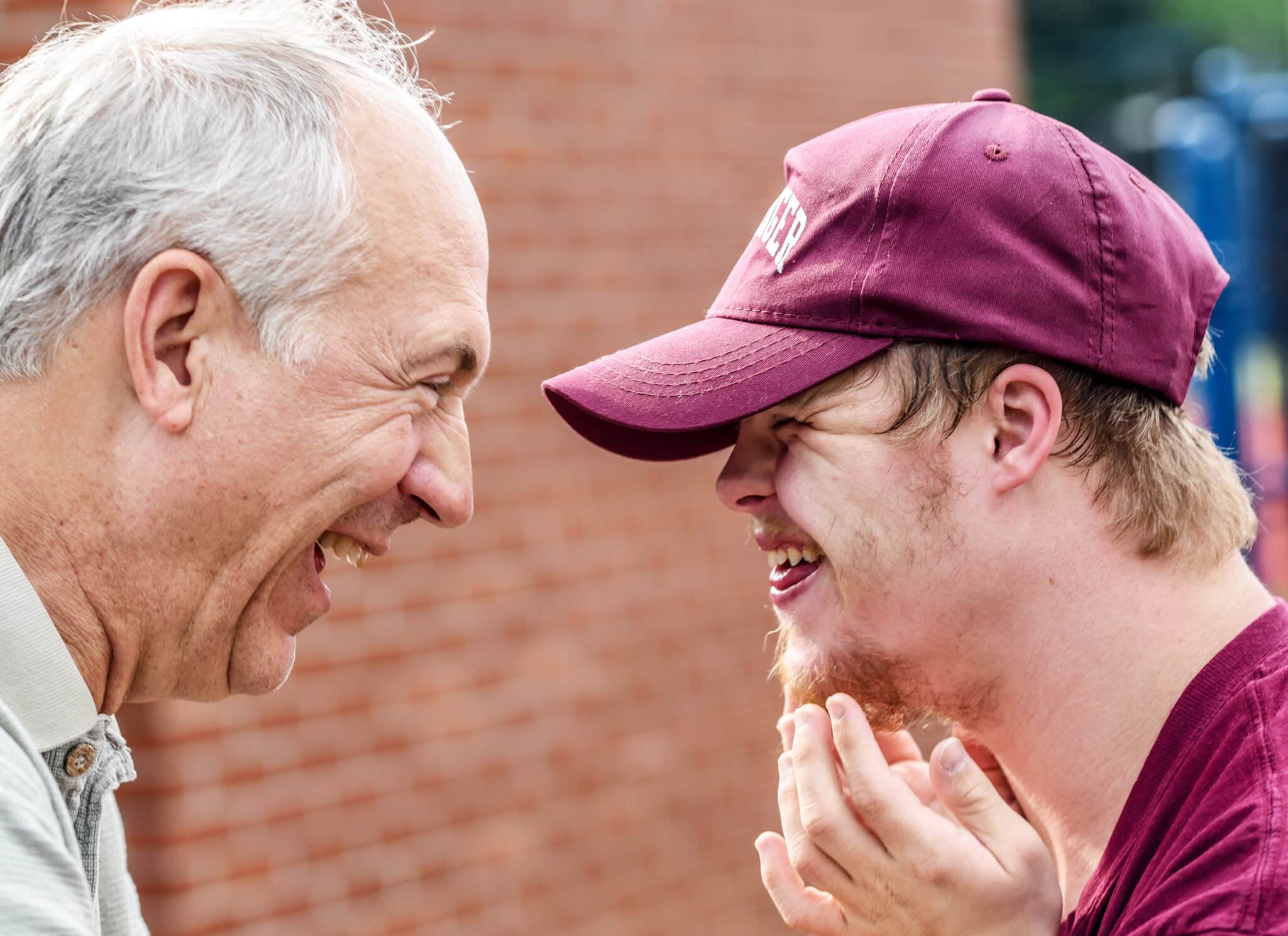
“I always had someone there, outside of my family, as a mentor, and I just felt that these people were so instrumental in my life that I needed to do what they did for me.” – CASA Joe
“Yo fue maestra por treinta años en escuela primaria. Encontré in muchas occasiones niños in mi salon que pasaron por trauma. Yo como maestra, estaba limitada en como les puedîa aduyar a esos niños.”
– CASA Susannah
“It’s an awesome responsibility to be invited into someone’s life.”
– CASA Kim
How We Support Our Volunteers
Training
You don’t need to know how the foster care system works or have a legal background to sign up to become a CASA. We provide all the training you need to become a successful advocate for a child. You can even add “trained as a Court Appointed Special Advocate (CASA)” to your resume or LinkedIn profile.
Advocacy Supervisor
Every volunteer is paired with a Voices for Children staff member called an Advocacy Supervisor who will support you every step of the way. Our team is knowledgeable about foster care, trauma-informed care, legal proceedings, and the many resources available to children in foster care.
Continuing Education
Throughout your service, you will continue to have opportunities to learn and grow. Voices for Children offers small groups and continuing education including recommended readings, presentations on specific issues impacting foster care, and group discussions with fellow CASAs.
Learn More — Volunteer Resources
Looking to go deeper before you decide? These resources from Voices for Children will help you understand the CASA experience, the foster care system in San Diego, and the difference one advocate can make.
- 6 Steps to Becoming a CASA Volunteer — A step-by-step walkthrough of the full process, from application to your first case.
- Being a CASA While Working Full Time — How real volunteers balance CASA service with a full-time job or busy schedule.
- A Month in the Life of a CASA Volunteer — A realistic look at what active CASA advocacy involves week to week.
- Foster Care Statistics & Resources — Key data on the children in San Diego County who need CASA advocates most.
- San Diego County CASA of the Month — February 2026 — A real story from an active San Diego CASA volunteer and the youth she serves.
- Voices for Children Serves San Diego and Riverside Counties — Learn about our regional reach across both counties.
Ready to Change a Child’s Story?
Foster children in San Diego County need consistent, caring adults in their corner, people willing to show up, speak up, and stay the course. As a CASA volunteer, that person is you.
The journey starts with a single step: submitting your application. Voices for Children will guide you through everything that comes next. Training, matching, support, community, it’s all there for you.
Start your journey as a CASA volunteer — apply with Voices for Children today.
Get In Touch
If you have any questions about how you can volunteer and make a transformative difference in a child’s life, please don’t hesitate to contact us. We are so grateful for your interest, and our team is happy to help.
Riverside County
Brianna Miller
CASA Recruitment and Outreach Manager
951-472-9300
Common Questions About Becoming a CASA Volunteer in San Diego
We’ve answered the common questions about volunteering that most people have before applying. Here are the ones we hear most often.
How much time does being a CASA volunteer require?
Most CASA volunteers in San Diego dedicate between 10 and 15 hours per month to their child’s case. That typically breaks down to a few visits, some case record review, coordination with caregivers or educators, and an occasional court appearance. Your schedule matters, Voices for Children works with you to find a match that fits your life.
Do I need special qualifications or a degree?
No degree is required. Volunteers come from every professional background, educators, business owners, healthcare workers, retirees, and parents. What matters most is your commitment, reliability, and genuine care for children in foster care. Voices for Children provides all the training you need.
What does the training involve, and how long does it take?
Pre-service training covers the California foster care system, trauma-informed communication, court processes, documentation standards, and the CASA role. Training is completed before you’re matched with a child and ensures you walk into your first meeting feeling prepared, not overwhelmed.
What exactly do CASA volunteers do day to day?
As a CASA volunteer, you’ll meet regularly with your child, speak with the people in their life (teachers, foster parents, caseworkers), review case files, and attend juvenile court hearings. You then write a report for the judge summarizing the child’s situation and your recommendations, a voice the child may not otherwise have in the courtroom.
Are CASA volunteers paid or compensated?
CASA volunteers are unpaid. This is a community service role. That said, Voices for Children provides full training at no cost to you, ongoing staff support throughout your service, and a community of fellow volunteers who understand exactly what you’re navigating.
As a CASA, you can make a lasting difference in a child’s life and in the future of our community. At the same time, don’t be surprised if you notice a change in yourself along the way.